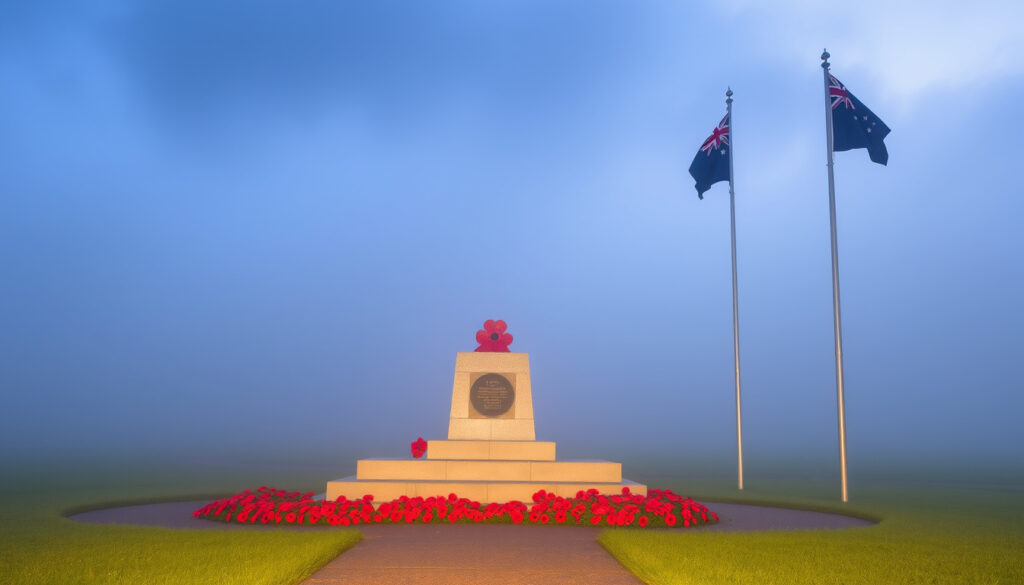
Anzac Day: History, Traditions, and Key Facts
Every year on 25 April, something curious happens: a quiet dawn, a crowd gathering in the dark, a single bugle note—and then silence. That’s Anzac Day, a day that started as a military anniversary and grew into something much bigger, marking the 109th anniversary of the landing of Australian and New Zealand troops at Gallipoli in 1915.
Observed on: 25 April each year ·
First commemorated: 1916 ·
Commemorates: the landing of Australian and New Zealand troops at Gallipoli in 1915 ·
Primary countries: Australia, New Zealand, and several Pacific nations
Quick snapshot
- Anzac Day is observed on 25 April each year (National Museum of Australia (Australian government historical site)).
- The acronym ANZAC stands for Australian and New Zealand Army Corps (RSL Australia (veterans’ support organisation)).
- The first official Anzac Day was held in 1916 (Wikipedia (community encyclopedia)).
- 25 April 1915 – Australian and New Zealand troops land at Gallipoli, Turkey (Australian Embassy Vienna (diplomatic mission)).
- Anzac Day continues to evolve, with growing attendance at dawn services and increased focus on peacekeeping and modern service (National Film and Sound Archive of Australia (cultural archive)).
Five key facts, one pattern: the day has shifted from a Gallipoli-specific anniversary to a broader national reflection on service and sacrifice.
| Label | Value |
|---|---|
| Date | 25 April |
| First observed | 1916 (first anniversary of the Gallipoli landing) |
| Countries of primary observance | Australia, New Zealand, and several Pacific Island nations |
| Significance | Honors the members of the Australian and New Zealand Army Corps who served at Gallipoli |
| Typical traditions | Dawn services, gunfire breakfast, Anzac biscuits, wearing of rosemary and poppies |
What is Anzac Day?
- Anzac Day is a national day of remembrance in Australia and New Zealand (Parliament of Australia (legislative research service)).
- It commemorates the landing of the Australian and New Zealand Army Corps at Gallipoli in 1915 (National Film and Sound Archive of Australia (cultural archive)).
- The first official Anzac Day was held in 1916 (Wikipedia (community encyclopedia)).
- The acronym ANZAC stands for Australian and New Zealand Army Corps (RSL Australia).
What is the history of Anzac Day?
The history begins on 25 April 1915, when about 70,000 Allied soldiers landed at Gallipoli (Australian Embassy Vienna (diplomatic mission)). The objective was to drive through to Istanbul, take Turkey out of the war, and supply Russia (Australian Embassy Vienna). The campaign lasted eight months and resulted in heavy casualties on both sides. In 1916, Australian Acting Prime Minister George Pearce officially named 25 April as Anzac Day (National Museum of Australia). The first anniversary was observed in Australia, New Zealand, England, and by troops in Egypt (Australian Embassy Vienna).
The Gallipoli landing forged a national identity. For Australians and New Zealanders, Anzac Day is less about a military outcome and more about the qualities displayed: endurance, mateship, and sacrifice.
What are 5 facts about Anzac Day?
- 1. Anzac Day is observed on 25 April each year (National Museum of Australia).
- 2. The Gallipoli campaign began on 25 April 1915 (National Museum of Australia).
- 3. The first Anzac Day was commemorated in 1916 (National Museum of Australia).
- 4. The term ANZAC was used by clerks on General Birdwood’s staff in Cairo (RSL Australia).
- 5. Anzac Day now commemorates all Australians and New Zealanders who served in wars, conflicts, and peacekeeping operations (Wikipedia (community encyclopedia)).
What happened at Anzac Day?
- The Gallipoli campaign began on 25 April 1915 when Australian and New Zealand troops landed at what is now called Anzac Cove (National Museum of Australia (Australian government historical site)).
- The campaign lasted eight months and resulted in heavy casualties on both sides.
- German forces respected the fighting ability of Australian soldiers, often noting their bravery and initiative.
- The landing at Gallipoli is a defining moment in Australian and New Zealand history (National Film and Sound Archive of Australia (cultural archive)).
What did the Germans think of Australian soldiers?
Historical accounts suggest German soldiers respected the initiative and bravery of Australian and New Zealand troops, though direct contemporary records are scarce. The perception of Australian soldiers as determined and resourceful became part of the Anzac legend.
The pattern: the enemy’s respect underscores the martial qualities that Anzac Day celebrates, even decades later.
What food is eaten on Anzac Day?
- Anzac biscuits are a traditional food associated with Anzac Day, originally sent to soldiers because they kept well.
- The ‘gunfire breakfast’ is a traditional post-dawn service meal, often including coffee and rum.
- Wearing a sprig of rosemary or a red poppy is common on Anzac Day.
- The colours of the Anzac Day service are often dark (black or navy) for mourning, with medals and poppies for honour.
What do they call the breakfast on Anzac Day?
It’s called the ‘gunfire breakfast’—a tradition dating back to wartime, where soldiers would have a meal of coffee (sometimes laced with rum) after stand-to at dawn.
What colours to wear on Anzac Day?
Dark colours (black, navy) are customary for mourning. Medals are worn on the left breast, and a red poppy or sprig of rosemary is pinned to the lapel (Parliament of Australia (legislative research service)).
While Anzac biscuits are a sweet treat, they symbolise the resourcefulness of soldiers’ families back home—baking treats that wouldn’t spoil during long postal journeys to the front.
These traditions connect the past to the present.
How to explain Anzac Day to a child?
Explain that Anzac Day is a special day to remember soldiers who fought for their country. Use simple language: ‘A long time ago, soldiers from Australia and New Zealand landed in a place called Gallipoli to fight in a war.’ Focus on themes of bravery, friendship, and saying thank you. Activities like making Anzac biscuits or attending a dawn service can help children understand the day.
Why this matters: talking to children about Anzac Day passes down the values of remembrance and respect to the next generation.
Do other countries celebrate Anzac Day?
- Anzac Day is primarily observed in Australia, New Zealand, and several Pacific islands (e.g., Samoa, Tonga, Papua New Guinea).
- The United Kingdom holds commemorative services, particularly at the Australian War Memorial in London.
- The United States does not have a national Anzac Day, but some cities host events organized by Australian and New Zealand communities.
- Australia is a day ahead of the US due to the International Date Line, which affects the timing of news and commemorations.
- Other countries with significant expatriate communities also hold services.
Do Americans have Anzac Day?
No, the United States does not observe Anzac Day as a national holiday. However, Australian and New Zealand expatriate groups often organise dawn services in cities like New York, San Francisco, and Washington, D.C.
Do the British celebrate Anzac Day?
Yes, the United Kingdom holds annual commemorative services, most notably at the Australian War Memorial in Hyde Park, London (Australian Embassy Vienna).
Why is Australia a day ahead of the rest of the world?
Australia is a day ahead of countries like the United States due to the International Date Line. This means that when it’s midday on 25 April in Sydney, it’s still early 24 April in New York. This affects the timing of news coverage and commemorations.
The trade-off: while the date is fixed, the global time zone difference means commemorations unfold across two calendar days.
Timeline of Anzac Day
- 25 April 1915: Australian and New Zealand troops land at Gallipoli, Turkey (National Museum of Australia).
- 25 April 1916: First official Anzac Day commemorations held in Australia and New Zealand (Australian Embassy Vienna).
- 1920s: Anzac Day becomes a public holiday in all Australian states (Wikipedia).
- 1939-1945: World War II expands the scope of remembrance to include all conflicts.
- Present day: Anzac Day continues to be observed with dawn services, marches, and community events (National Film and Sound Archive of Australia).
The implication: each milestone reflects a broadening of Anzac Day from a single battle anniversary to a national day of reflection covering all service.
What’s confirmed and what’s unclear
Confirmed facts
- Anzac Day is observed on 25 April (National Museum of Australia).
- The landing at Gallipoli occurred on 25 April 1915 (Australian Embassy Vienna).
- The first Anzac Day was in 1916 (Wikipedia).
What’s unclear
- The exact number of countries that officially observe Anzac Day varies by year and local government decisions.
This clarity helps readers understand the certainty of the information.
Voices of remembrance
Anzac Day is a time to remember the bravery and sacrifice of those who served, and to reflect on the values of mateship, courage, and endurance that define the Australian and New Zealand spirit.
— Australian War Memorial (official commemorative institution)
The ANZAC acronym was first used as a code for the Australian and New Zealand Army Corps, but it has come to represent the deep bond between two nations forged on a distant shore.
— RSL Australia (Returned and Services League, veteran support organisation)
Summary
For Australians and New Zealanders, the choice each Anzac Day is clear: remember the past in a way that gives meaning to the present, or let the day fade into a generic holiday. By attending a dawn service, wearing a poppy, or sharing Anzac biscuits with a child, the act of remembrance becomes personal. For expatriate communities abroad, the implication is equally sharp—finding a local service or starting one, because the tradition thrives only if passed on.
Related reading: Death Notices Dominion Post · Sean Wainui Cause of Death
findmypast.com, anzacspirit.com.au, abc.net.au, fairwork.gov.au, timeanddate.com, youtube.com
One of the most solemn traditions is the dawn service, and you can learn more about the history and timing in our guide to Anzac Day dawn service traditions.
Frequently asked questions
Why is Anzac Day on 25 April?
Because on 25 April 1915, Australian and New Zealand troops landed at Gallipoli. The date was chosen to mark that event.
What is the significance of the poppy on Anzac Day?
The red poppy symbolises remembrance of soldiers who died in war, inspired by the poem “In Flanders Fields.”
What is a dawn service?
A dawn service is a commemorative ceremony held at dawn on Anzac Day, mirroring the time of the original landing. It typically includes prayers, hymns, and a minute of silence.
Can anyone attend Anzac Day services?
Yes. Dawn services and marches are open to the public. They are inclusive events welcoming veterans, families, and all community members.
What is the difference between Anzac Day and Remembrance Day?
Anzac Day (25 April) commemorates the Gallipoli landing and all subsequent service. Remembrance Day (11 November) marks the end of World War I and honours the fallen of all conflicts.
Are Anzac biscuits only for Anzac Day?
No, they are enjoyed year-round, but they have a special symbolic association with Anzac Day because they were sent to soldiers during World War I.
What is the ‘gunfire breakfast’?
A traditional meal after the dawn service, originally including coffee and rum, now often a community gathering with bacon, eggs, and tea.
Do children participate in Anzac Day events?
Yes. Many families bring children to dawn services and marches. Schools often hold commemorative assemblies and teach about the day.
More related posts
 Can Dogs Have Banana? Safe Portion Guide and Risks Explained
 Kennards Storage Palmerston North: Prices, Reviews & More
 Prayer Times in Auckland Today: FIANZ & Hanafi Guide
 n=m/M Chemistry Formula: What It Means and How to Use It
 Shipping Containers for Sale in Ireland: Prices
 Eat Well for Less: What Happened, Hosts & Where to Watch
 NY Red Bulls vs Inter Miami: Head-to-Head, Results & Predictions
