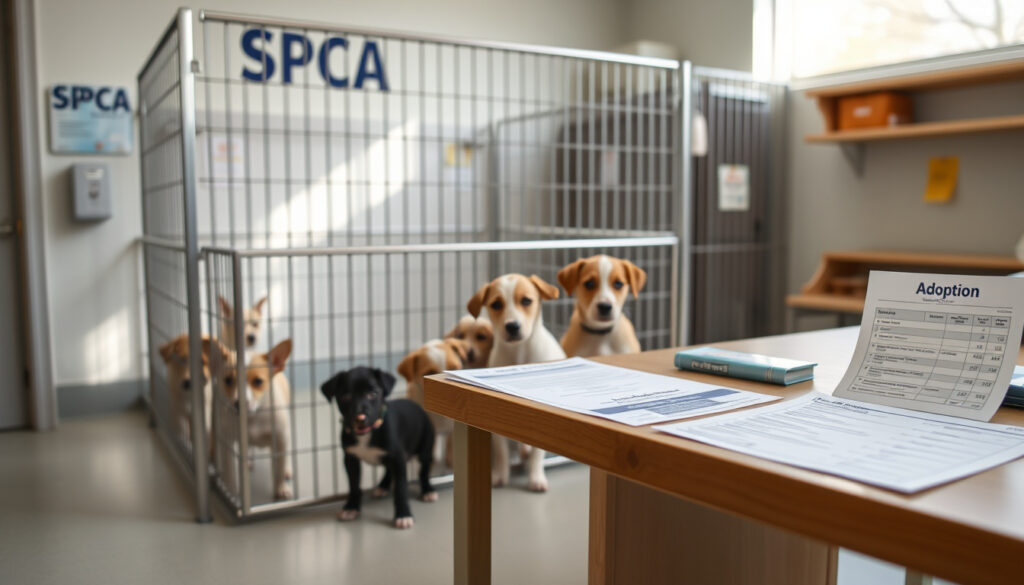
Puppies for Sale NZ SPCA: Adoption Costs & Process
Buying a puppy from a breeder costs $1,500–$3,000, but adopting from SPCA turns that expense into a single $85–$399 fee that already includes desexing, microchipping, and vaccinations. This guide walks you through the real costs, the step-by-step adoption process, and what life looks like after you bring your new friend home.
Animals protected by SPCA annually: over 55,000 · SPCA dog adoption fee range: $85 to $350 · Years SPCA has operated in NZ: over 140
Quick snapshot
- SPCA charges an adoption fee that covers desexing, microchipping, and vaccinations (SPCA New Zealand (national animal welfare organisation))
- Fee range for dogs: $85 to $350, with puppies under 5 months at $399 plus a $15 NZCAR registration fee (SPCA New Zealand)
- Adoption process includes online application, meet-and-greet, and legal paperwork (SPCA Pet Insurance (pet insurance partner))
- Exact waiting time for a specific breed at a local SPCA centre varies (Wise Move (NZ relocation and adoption guide))
- The 3-3-3 rule: 3 days decompression, 3 weeks learning routine, 3 months feeling at home (Dog Zen (dog training resource))
- The 7-7-7 rule: 7 hours decompression, 7 days settling, 7 weeks full integration (Dog Zen (dog training resource))
- Budget for ongoing costs: $1,500–$3,000 per year for food, vet, insurance (MoneyHub NZ (personal finance comparison site))
- Register microchip and local council (MoneyHub NZ (personal finance comparison site))
The table below summarises the key adoption fees and what they cover, drawn directly from SPCA’s own published information.
| SPCA adoption fee range for dogs | $85 – $350 |
|---|---|
| What adoption fee covers | Desexing, microchipping, first vaccinations, health check |
| Number of animals SPCA helps annually | Over 55,000 |
| Average cost of owning a dog in NZ per year | Around $1,500 – $3,000 (food, vet, insurance) |
How much does a puppy cost in NZ?
What is the SPCA adoption fee for a dog?
SPCA New Zealand charges a flat adoption fee of $399 for puppies under 5 months, which includes a one-off $15 lifetime registration with the New Zealand Companion Animal Register (SPCA New Zealand (national animal welfare organisation)). For dogs aged 5 months to 8 years, the fee is about $250, and senior dogs over 9 years are $125 (Wise Move (NZ relocation and adoption guide)).
Compare that with buying from a breeder: a purebred puppy typically costs $1,500 to $3,000 from a registered breeder, and often more for popular breeds. Adopting saves you at least $1,100 upfront.
What does the adoption fee include?
The fee covers desexing, microchipping, first vaccinations, and a full health check (SPCA Pet Insurance (pet insurance partner)). If the puppy is too young for desexing at adoption, Wellington SPCA notes that the procedure can be done at 6 months at no extra cost. The inclusion of these vet procedures would cost an owner about $500–$800 if paid privately, meaning the adoption fee already covers that expense.
Do you pay for a dog at SPCA?
How are SPCA adoption fees used?
Yes, an adoption fee is charged — it is not a free transaction. SPCA New Zealand states that the fee goes directly toward covering the costs of caring for animals while they wait for homes, including food, medical treatment, and staffing. A $2.50 service charge is added to cover payment processing (SPCA New Zealand).
Are there any hidden costs?
No hidden charges at adoption. The fee you see is the total you pay upfront. However, you will need to budget for ongoing costs: food, routine vet visits, parasite prevention, and pet insurance. MoneyHub NZ estimates these at around $1,500–$3,000 per year (MoneyHub NZ (personal finance comparison site)).
The upfront savings of adoption can be undermined if you skip pet insurance. A single emergency vet visit can cost upwards of $2,000, so the $85–$350 fee is just the starting line.
The pattern here is clear: the adoption fee is a bargain, but pet insurance is not optional—it protects the financial gain you made by adopting.
How to buy a puppy in NZ?
What is the SPCA adoption process?
Adopting from SPCA is a structured process, not a simple purchase. The typical steps:
- Browse available puppies on the SPCA website (SPCA New Zealand (adoption page))
- Submit an online application or phone your local centre
- Attend an in-person meet-and-greet with the puppy
- Discuss your lifestyle with SPCA staff to ensure a good match
- Sign a legal adoption agreement and pay the fee
- Take your new puppy home
Wellington SPCA adds that a home-check may be required, and if you already have dogs, a meet-and-greet with them is arranged.
How to find a puppy for adoption at SPCA?
Visit the SPCA New Zealand website’s “Adopt a Dog” section to search by location, age, and size. Puppies are listed with photos and descriptions. Because demand is high, you may need to check regularly or expand your search to multiple centres across New Zealand.
What is the 3-3-3 rule for dogs?
How to help your new adopted dog adjust?
The 3-3-3 rule is a widely used guideline for rescue dogs adjusting to a new environment:
- First 3 days: Decompression period. The dog may be overwhelmed, scared, or shut down. Provide a quiet space, avoid too many visitors, and let the dog explore at its own pace.
- 3 weeks: Settling into routine. The dog learns your schedule, starts trusting you, and understands house rules. Consistency with feeding, walks, and training is key.
- 3 months: Feeling at home. The dog’s true personality emerges, and it becomes fully bonded with the family.
Why this matters for NZ adopters
Many adopted puppies come from backgrounds of neglect or uncertainty. The 3-3-3 rule helps set realistic expectations — your new puppy may not be instantly affectionate, and that’s normal. Skipping this adjustment process can lead to return or rehoming.
NZ adopters who follow the 3-3-3 rule see lower return rates and stronger bonds. The first 3 days are the hardest; by 3 months, most dogs feel truly part of the family.
What this means: patience in the first three months is the single biggest predictor of a successful adoption, and the rule gives you a concrete framework to follow.
What is the 7-7-7 rule for dogs?
Alternative adjustment timeline
The 7-7-7 rule is a more compressed version:
- 7 hours: Initial decompression. Let the dog rest in a calm area.
- 7 days: Establish a basic routine and start light training.
- 7 weeks: Full integration. The dog should be comfortable with all household members and environments.
When to use the 7-7-7 rule?
This timeline works best for puppies that are already socialised or coming from foster homes. It is less appropriate for traumatised or unsocialised dogs. For most SPCA rescue puppies, the 3-3-3 rule is safer and more realistic.
Pros and cons: Adoption vs buying from a breeder
Upsides
- Adoption fee ($85–$399) is 75–90% cheaper than buying ($1,500–$3,000)
- Puppy comes desexed, vaccinated, microchipped — saves $500+ in initial vet costs
- Supports animal welfare and reduces shelter overcrowding
- Staff help match you with a suitable puppy
Downsides
- Less choice of breed and age — you pick from what is available
- Application and screening process takes longer than buying
- No puppy history or known family lineage
- Potential behavioural issues if the puppy came from a traumatic background
The trade-off is clear: adopt and save $1,100–$2,600 upfront while giving a deserving pup a second chance, or buy and accept the premium for breed certainty.
Step-by-step SPCA adoption process
- Browse SPCA’s adoptable dogs online at spca.nz/adopt — filter by location, age, and size.
- Submit an application via the website or phone the centre. Be ready to answer questions about your home, family, and pet experience.
- Attend a meet-and-greet at the centre. Bring all household members who will live with the dog. SPCA staff will observe interactions.
- Complete a home check (required by some centres). Ensure your yard is secure and the living space is safe for a puppy.
- Sign the adoption agreement and pay the fee. Receive your puppy’s medical records, microchip details, and NZCAR registration form.
- Take your puppy home — prepare with a crate, bed, bowls, food, collar, leash, and toys.
- Follow up: some centres offer post-adoption support or training advice.
Following these steps ensures you don’t miss any of the vetting or legal requirements that protect both you and the puppy.
Confirmed facts and what remains unclear
Confirmed facts
- SPCA charges an adoption fee that covers desexing, microchipping, and vaccinations (SPCA New Zealand)
- Adoption process includes online application and in-person meeting (SPCA Pet Insurance)
- The 3-3-3 rule is a widely used guideline for dog adjustment (Dog Zen (dog training resource))
- Adoption fees vary by centre and age of dog (Wise Move (NZ relocation and adoption guide))
What’s unclear
- Exact waiting time for a specific breed at a local SPCA centre – varies by region and availability
- Some third-party sources quote different fee ranges (e.g., $300 for puppies) compared to SPCA’s official $399, possibly due to outdated information (Wise Move)
The pattern is that SPCA’s own numbers are the most reliable; third-party figures should be cross-checked against the official website.
Expert perspectives
“The adoption fee for a puppy under 5 months is $399, which includes a $15 one-off lifetime registration with the New Zealand Companion Animal Register.”
— SPCA New Zealand (national animal welfare organisation)
“Adopters should apply online, meet the animal in person, and discuss their lifestyle with staff to ensure a good match before signing legal paperwork.”
— SPCA Pet Insurance (pet insurance partner)
“Adoption fees in New Zealand range from $125 to $500 for dogs, and commonly include vaccinations, microchipping, and desexing.”
— Wise Move (NZ relocation and adoption guide)
For New Zealanders looking for a puppy, the choice between adopting from SPCA and buying from a breeder comes down to priorities. If you value cost savings, health guarantees (desexing, vaccinations, microchipping included), and the peace of mind that comes from a vetted adoption process, SPCA is the clear winner. If you need a specific purebred puppy right away with known lineage, you will pay significantly more and may miss out on the health checks that SPCA includes. The trade-off is clear: adopt and save $1,100–$2,600 upfront while giving a deserving pup a second chance, or buy and accept the premium for breed certainty. For the majority of NZ families, the pattern is unambiguous: adoption is the smarter financial and ethical choice.
Related reading: SPCA New Zealand adoption fees
For those adopting through the SPCA, the SPCA pet insurance login guide can help manage ongoing veterinary costs.
Frequently asked questions
What is the minimum age to adopt a puppy from SPCA?
SPCA New Zealand typically allows adoption from 8 weeks of age, but puppies are often listed closer to 10–12 weeks after completing vaccinations. Check with your local centre.
Can I adopt a puppy from SPCA if I live in a rental property?
Yes, but you will need written consent from your landlord or property manager. SPCA requires proof of permission to ensure the dog has a secure home.
Are SPCA puppies house-trained?
Most SPCA puppies are not house-trained. You will need to invest time in toilet training, especially for young puppies. SPCA staff can offer advice.
What if my adopted puppy has health issues?
All SPCA puppies receive a health check before adoption. If a significant issue arises shortly after adoption, contact the centre – some offer a limited health guarantee or support.
How do I prepare my home for a new puppy from SPCA?
Puppy-proof by removing hazards, set up a crate or safe space, buy food and bowls, and arrange a vet visit within the first week. Secure your yard fencing.
Can I return a puppy to SPCA if it doesn’t work out?
Yes, SPCA accepts returns and will help rehome the animal. They encourage adopters to seek advice first – many behavioural issues can be resolved.
Does SPCA offer post-adoption support?
Some centres provide post-adoption support, including training tips and behavioural advice. Contact your adopting centre for details.
More related posts
 Slot Trial pglucky88.win VIP: Verified & Unverified
 Houses for Sale in Oamaru: 190+ Listings Under $300k
 Chocolate Chip Cookies NZ: Best Recipes & Baking Tips
 Convert NZD to USD: Live Exchange Rate & Guide 2024
 New Balance Tennis Shoes Womens – Top 996 vs 574 Models and Fit Guide
 NZ Cheap Cars North Shore: Top Budget Used Cars in Auckland
 State Business Insurance NZ: Cost, Coverage & Reviews
 Baradene College of the Sacred Heart: Fees, Ranking & Type
