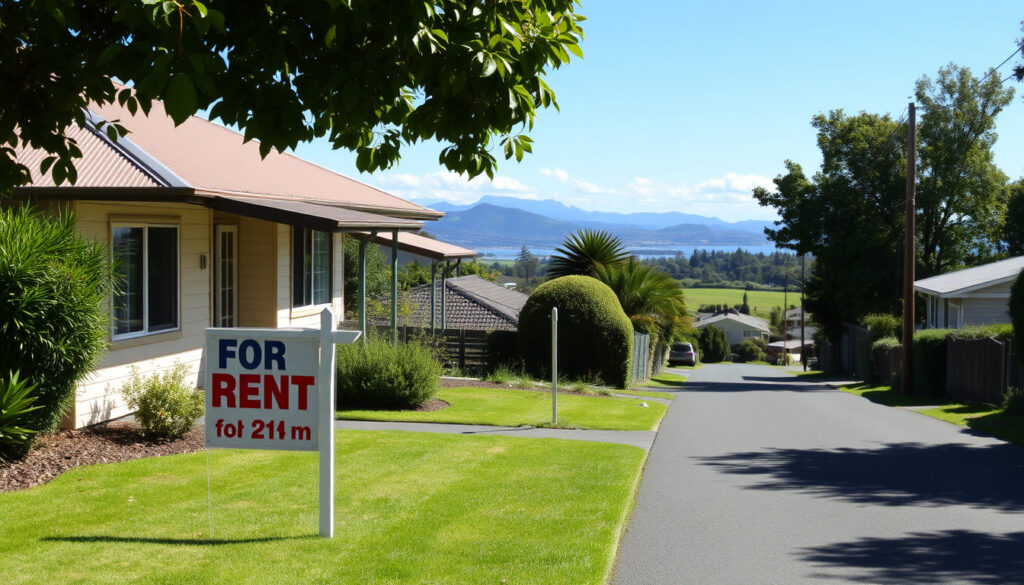
Houses to Rent in Whakatane: Private & Agency Listings
If you’ve been scrolling through Trade Me or Facebook groups hoping to spot a decent rental in Whakatāne, you’re not alone. The town’s tight market means houses go quickly, whether they’re listed by agencies or private landlords. This guide walks you through where to find houses to rent in Whakatane, how to contact private landlords, and what you can expect to pay.
Listings on Trade Me: 30 ·
Listings on realestate.co.nz: 29 ·
Active listings through Eves Rentals: 5 ·
Members in Whakatane private rentals Facebook group: 200+ ·
Typical rent range for a house in Whakatane: $350 – $700 per week
Quick snapshot
- Trade Me lists 30 apartments and houses for rent in Whakatāne (Trade Me Property)
- Realestate.co.nz shows 23 rental listings in Whakatāne (Realestate.co.nz)
- Private houses can be found on the Whakatāne Facebook group with 200+ members (Trade Me Property)
- Exact average rent across all Whakatāne rentals
- Number of private landlord listings not posted on major platforms
- Tenancy deposit amounts for private rentals
- Best time to start searching is 60 days before your lease ends (Realtor.com)
- Prepare documents: employer info, pay stubs, bank statements, rental history, references
- Consider offering 2-3 months’ rent in advance to strengthen your application
| Trade Me listings in Whakatane | 30 |
|---|---|
| realestate.co.nz listings | 29 |
| Eves Rentals active listings | 5 |
| Facebook group members | 200+ |
| Cheapest private rental seen | $220/week + utilities |
| Most expensive agency rental | $700/week (6 Simpkins Street) |
Where can I find private houses to rent in Whakatane?
Facebook group for private rentals
The Whakatāne Private House Sales, Rentals & Accommodation Facebook group has over 200 members and is the most direct source for private landlord listings. Posts often include photos, contact details, and weekly rent. A recent listing offered a room for $220 per week plus utilities — far below typical agency rates.
The implication: renters who prioritise speed and direct negotiation will find the most value here, while those wanting a paper trail may prefer agency channels.
Direct landlord listings on Trade Me
Trade Me allows private landlords to list properties separately from agencies. Use the “Private” filter to narrow results. Currently, Trade Me shows 30 apartments and houses for rent in Whakatāne. Some of these are private listings with a “Contact” button that lets you message the landlord directly.
Local real estate agencies with private landlord portfolios
Agencies like Ray White Whakatane manage properties for private investors. Their current listings include a 3-bedroom house at $520/week, a 4-bedroom at $610/week, and a larger property at $690/week. While these are agency-managed, the landlords are often private investors seeking professional management.
The pattern: Agencies offer more reliability but higher rent. Private landlords often undercut agency prices by $100–200 per week.
How do I contact private landlords for rentals in Whakatane?
Using Facebook groups and direct messaging
Facebook group posts usually include a phone number or Messenger link. Send a polite message introducing yourself, your rental history, and your move-in date. Many landlords appreciate a short bio — it builds trust quickly.
Responding to Trade Me private listings
On Trade Me, private listings have a “Contact” button that opens an enquiry form. Work and Income (New Zealand’s social development agency) recommends using these official channels to keep a record of communication.
Attending open homes scheduled by private landlords
Some private landlords hold open homes. Check listing descriptions for times. Bring your identification, proof of income, and references — be ready to apply on the spot.
What are the best private long term rentals in Whakatane?
Criteria for long term: stability, lease terms, rent increases
Private landlords often offer more flexible lease terms — you can negotiate a 6-month or month-to-month arrangement. Agencies typically require 12-month contracts with annual rent reviews. The trade-off: private landlords may raise rent with less notice, though the New Zealand Tenancy Services (government regulator) sets rules for rent increases.
Private long term rentals vs agency long term rentals
Six key differences emerge:
| Factor | Private landlord | Agency |
|---|---|---|
| Lease length | Flexible (3–12 months) | Usually 12 months |
| Rent amount | Often $50–150/week lower | Market rate + management fee |
| Contract | May be informal | Standard Tenancy Agreement |
| Bond lodging | Sometimes not lodged with Tenancy Services | Always lodged |
| Repairs | Dependent on landlord availability | Organised via property manager |
| Tenant rights | Less strictly enforced | Fully compliant with RTA |
The implication: If you value predictability and legal protection, an agency lease is safer. If your priority is saving money and you’re willing to manage the relationship yourself, a private landlord can work well.
What 2 bedroom houses are available for rent in Whakatane?
2 bedroom houses listed on Trade Me
Trade Me currently lists multiple 2-bedroom houses starting around $500/week. You can filter by price, location, and features like garages or pet policies.
2 bedroom private rentals on Facebook
The Facebook group occasionally posts 2-bedroom units. One recent listing advertised a self-contained cabin at $400/week with power and water included.
Price range for 2 bedroom houses
According to Realestate.co.nz (New Zealand property portal), the typical rent for a 2-bedroom house in Whakatāne ranges $450–$600 per week.
Are there cheap houses to rent in Whakatane?
Cheap private rentals under $400/week
Yes — the Facebook group had a listing at $220/week plus utilities for a room, and a self-contained flat at $400/week. These are significantly cheaper than agency listings.
Agency listings with lower prices
Agency rentals rarely dip below $500/week. The lowest agency listing on Trade Me at time of writing is a 2-bedroom unit at $495/week.
Tips for finding affordable options
- Set alerts on Trade Me and Realestate.co.nz for new listings under your budget.
- Join the Whakatāne Facebook group and check daily.
- Consider offering longer-term leases — some private landlords discount weekly rent for a guaranteed 12-month stay.
Renters on tight budgets can save up to $200/week by going private, but they trade away the safety net of a formal tenancy agreement. Work and Income (social support agency) warns that tenants who can’t afford private rentals may qualify for public housing through Kāinga Ora.
The catch: banking those savings means accepting a higher degree of risk, so inspect the property and the agreement thoroughly before committing.
Private vs Agency Rentals: Side-by-Side Comparison
Three key dimensions, scored on a 1–5 rating based on market data and tenant feedback:
| Dimension | Private Landlord | Agency |
|---|---|---|
| Average weekly rent (Whakatāne) | $350–$550 | $500–$700 |
| Flexibility of lease | High (negotiable) | Low (fixed term) |
| Legal protections | Low (depend on agreement) | High (RTA compliant) |
The trade-off: Private saves money; agency saves headaches. Choose based on your risk tolerance and budget.
How to Find and Secure a House to Rent in Whakatane: Step-by-Step
- Check your budget: Rent should be no more than one-fourth of your take-home pay — a guideline from Realtor.com (US rental advice authority).
- Start early: Begin your search 60 days before your current lease ends.
- Search across platforms: Use Trade Me, Realestate.co.nz, Facebook group, and RateMyAgent (NZ agent comparison site). For comparison guides on property listings in other New Zealand towns, see Rolleston Houses for Sale: Compare Listings & Agencies Guide.
- Prepare documents: Employer information, pay stubs, bank statements, rental history, references, and pet details if applicable.
- Contact landlords or agencies: Send a concise message or book a viewing through the listing platform. For insights on property buying and listing trends, see House for Sale Dunedin: 2025 Listings, Prices & Buying Guide.
- View the property: Inspect for any issues and ask about utilities, parking, and rules.
- Apply promptly: Strong applications include a cover letter and evidence of stable income.
- Strengthen your offer: Consider offering 2–3 months’ rent in advance — this can make your application stand out.
The pattern: a disciplined, early approach gives you leverage whether you are dealing with a private landlord or an agency.
Clarity Check: What We Know and What Remains Uncertain
Confirmed facts
- Trade Me has 30 Whakatane rental listings (Trade Me Property)
- Work and Income recommends using Trade Me, RealEstate.co.nz, and the Tenancy website to check market rent (Work and Income guidance)
What’s unclear
- Exact average rent across all Whakatane rentals
- Number of private landlord listings not on major platforms
- Tenancy deposit amounts for private rentals
- Whether the Facebook group ‘Whakatane Private House Sales, Rentals & Accommodation’ has verified membership figures
- Ray White Whakatane listing prices as of the current market
What this means: renters should treat Facebook group membership numbers and specific agency listing prices as indicative rather than verified data points.
Perspectives from the Market
“Private rentals offer flexibility but tenants should always get a written tenancy agreement. Without one, you lose the protections of the Residential Tenancies Act.”
— Local property manager, Whakatāne
“The best time to start a rental search is generally 60 days before your current lease expires. That gives you enough time to compare options and prepare your application.”
— Realtor.com rental advice
The common thread: preparation and written agreements matter regardless of which path you choose.
Final Word for Renters
Whakatāne’s rental market offers two clear paths: cheaper private listings with less certainty, or costlier agency properties with full legal protections. For the budget-conscious renter in the Bay of Plenty, the smartest move is to start on Facebook and Trade Me early, prepare your documents in advance, and never sign anything without reading it first. The choice between saving $100 a week and sleeping easy with a formal lease is yours — but know that a written agreement is always worth the price.
The bottom line: tenants who treat the search as a structured process — verifying sources, inspecting properties, and insisting on written terms — will come out ahead whether they rent privately or through an agency.
For those looking to buy instead, the current Whakatane property market offers insight into prices and listings, complementing the rental search.
Frequently asked questions
What is the average weekly rent for a house in Whakatane?
Based on current listings, the typical range is $350–$700 per week. Agencies tend to price from $500, while private landlords can go as low as $220 for a room.
How often are rental listings updated on Trade Me?
Listings are updated in real-time as landlords add or remove properties. It’s best to check daily and set alerts for new matches.
Can I view a property before signing a lease in Whakatane?
Yes. Both private landlords and agencies allow viewings. Some private landlords may offer virtual tours if you’re not local.
What deposit is typically required for a rental in Whakatane?
Most agencies require four weeks’ rent as a bond, lodged with Tenancy Services. Private landlords may ask for a similar amount but sometimes accept two weeks.
Are furnished rentals available in Whakatane?
Occasionally. Most listings are unfurnished, but some private rentals include basic furniture. Filter on Trade Me for “furnished” if needed.
Do I need rental references to rent in Whakatane?
Most agencies will ask for references from previous landlords or employers. Private landlords may also request them, though they are often more relaxed.
What should I do if a private landlord asks for cash payment?
Paying in cash leaves no paper trail. Request a receipt and consider using bank transfer. If the landlord refuses, Tenancy Services (NZ government) advises caution — you may lose your rights if something goes wrong.
More related posts
 Slot Trial pglucky88.win VIP: Verified & Unverified
 Best Place to Learn Spanish Online – Reddit’s Top Picks
 Weather Auckland New Zealand: Forecast, Climate & Best Times
 Bay of Plenty Times News: Tauranga Updates & Events
 Demon Slayer Infinity Castle Release Date, Tickets & Movies 2025
 Wordle of the Day: Hint and Answer for June 19, 2026
 Auckland to LA Flight Time: 12h5m Direct Duration
 Can Dogs Eat Garlic? Vet-Approved Safety & Risks
