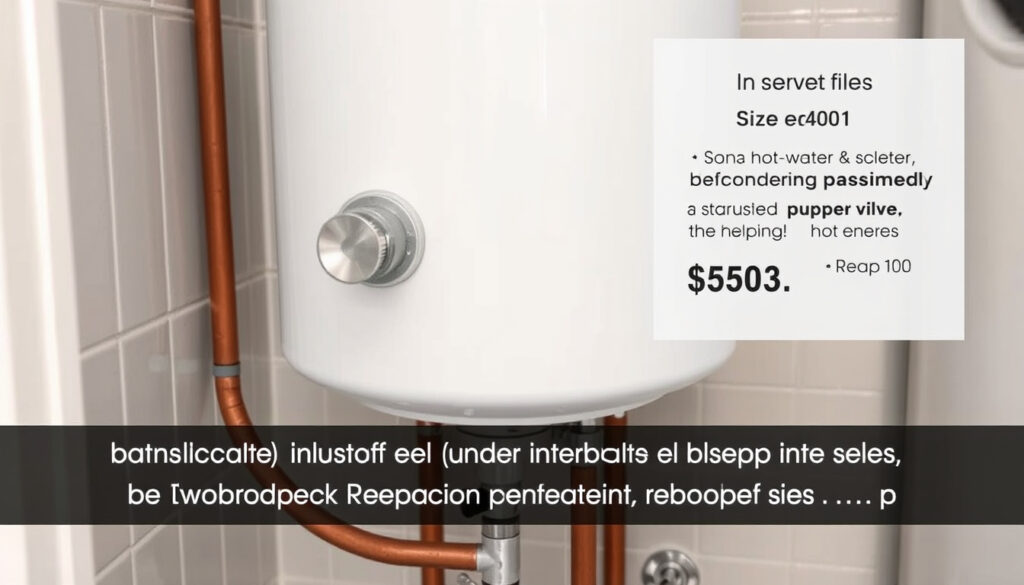
Hot Water Cylinder NZ: Sizing, Costs, Lifespan & Replacement
Few appliances in a New Zealand home do more silent work than the hot water cylinder — and when it fails, life gets inconvenient fast. Whether you’re sizing a new build, facing a leaking tank, or just wondering what a replacement should cost, this guide lays out the numbers, the brands, and the trade-offs specific to NZ conditions. By the time you finish reading, you’ll know exactly what to ask your plumber.
Average lifespan in NZ: 10–15 years · Replacement cost range: $1,500 – $4,000 NZD · Common sizes: 135L, 180L, 250L, 300L · Households with electric cylinder: ~1.2 million
Quick snapshot
- Hot water cylinders in NZ typically last 10–15 years (Ka Pai Plumbing (NZ plumbing service))
- Mains pressure cylinders are standard in new installations (EECA (NZ government energy agency))
- Rinnai and Rheem are the dominant brands (Rinnai NZ (manufacturer))
- Exact lifespan depends heavily on local water hardness and usage patterns
- Regional pricing can vary significantly between urban and rural areas
- Lifespan claims for copper cylinders range from 8–15 years depending on vented vs mains pressure type
- Material matters: stainless steel lasts 15–25 years; copper lasts 10–15 years (Ka Pai Plumbing)
- Anode rod condition is a key reliability indicator (Jim’s Plumbing (NZ franchise))
- Check cylinder age and inspect for leaks or rust now (Master Trade (NZ trade services))
- Get at least three quotes if replacement is due (Master Trade (NZ trade services))
The table below summarises the key figures every NZ homeowner should know.
| Attribute | Value |
|---|---|
| Average lifespan | 10–15 years |
| Typical cost (new + install) | $1,500 – $4,000 NZD |
| Common sizes available | 135L, 180L, 250L, 300L |
| Energy saving potential | Up to 10% with smart tech |
| Households with electric cylinder | ~1.2 million NZ homes |
Which hot water cylinder is the best in New Zealand?
Choosing a cylinder means weighing brand reputation, material, and pressure system against your household’s actual demand. The market is dominated by two names, but a few others offer compelling alternatives.
Top brands: Rinnai vs Rheem vs others
- Rinnai – Their smart cylinders include technology that tracks usage trends and can alert you to potential issues. Rinnai NZ (Rinnai NZ (manufacturer)) offers models in 135L–300L with energy savings of up to 10%.
- Rheem – Made from high-quality stainless steel, Rheem cylinders come in 135L–300L and typically carry extended warranties (Mico Plumbing (NZ supplier)).
- Other brands – Everfit, Solahart, and Dux also have a presence, though warranty terms and local support vary.
Mains pressure vs low pressure cylinders
Mains pressure systems deliver faster recovery and higher flow rates, making them the standard for new builds. Low pressure (vented) systems are still found in older homes but are being phased out. WorkSafe NZ (regulatory body) notes that mains pressure units must include multiple safety valves.
Warranty and energy efficiency considerations
Warranties typically range from 5 to 15 years depending on the model and material. Stainless steel units often carry the longest coverage. Energy efficiency labels are now common, and EECA (NZ government energy agency) provides a star rating system to compare models.
What is the average life of a hot water cylinder in NZ?
Lifespan depends on material, water quality, and maintenance. Across New Zealand, the average is 10–15 years, but some cylinders last twice that.
Factors affecting lifespan (water quality, maintenance, pressure)
- Water hardness dramatically affects copper and glass-lined cylinders. Areas with high mineral content can cut lifespan by several years (ServicePlus (NZ plumbing network)).
- Regularly checking the anode rod is the single most effective way to extend cylinder life (Jim’s Plumbing (NZ franchise)).
- Higher mains pressure can stress older cylinders; modern units are built for it.
Signs that a cylinder is nearing the end of its life
- Rumbling or popping noises from scale buildup
- Visible rust or corrosion on the tank exterior
- Fluctuating water temperature or inconsistent flow
- Relief valve leaking frequently
When to consider replacement before failure
If your cylinder is more than 10 years old and showing any of the above signs, proactive replacement avoids emergency costs. Garcia Plumbing (Auckland-based expert) advises that a unit older than 15 years should be replaced regardless of visible condition.
A New Zealand homeowner whose cylinder fails on a cold July morning faces not only discomfort but emergency call‑out fees that can add $300–$500 to the bill. Replacing on your own schedule saves both money and stress.
What size hot water cylinder do I need in NZ?
Sizing matches the number of people in the house and their hot water habits. Getting it wrong means either running cold mid‑shower or paying to heat water you don’t use.
Recommended size for 1–2 people, 3–4 people, families of 5+
The sizing table below matches household size to cylinder capacity.
| Household size | Recommended cylinder size | Typical usage |
|---|---|---|
| 1–2 people | 135L – 180L | Showers, kitchen, basic laundry |
| 3–4 people | 180L – 250L | Multiple showers + dishwasher |
| 5+ people | 250L – 300L | Two bathrooms, bath, heavy demand |
Five common sizes, one pattern: larger households need larger tanks, but recovery rate (how fast the cylinder reheats) matters just as much. Mains pressure systems recover faster, meaning a 180L mains cylinder might serve a family of four well.
Mains pressure sizing guidelines
For mains pressure, Ka Pai Plumbing (NZ plumbing service) suggests:
- Small household (1–2): 135L–180L
- Standard NZ home (2–3): 180L
- Large family with multiple bathrooms: 300L
Converting litres to practical usage (showers, baths, appliances)
A typical 8‑minute shower uses about 60L of hot water. A bath uses 80–100L. A dishwasher uses 10–20L per cycle. So a 180L cylinder can comfortably handle two showers and a kitchen run before recovery time becomes an issue.
The implication: sizing up slightly costs more upfront but prevents frustration during peak usage times.
How to tell if a hot water cylinder needs replacing?
Spotting the early warning signs can save you from a cold shower and a weekend emergency call‑out.
Top 10 signs your cylinder needs replacing
- Rumbling or banging noises (sediment buildup)
- Visible rust or water stains on the cylinder
- Water temperature fluctuates without reason
- Relief valve drips constantly
- Water has a metallic or rusty taste/smell
- Age is more than 15 years
- Increased energy bills (cylinder working harder)
- Leaks around the base or pipe connections
- Pressure loss when multiple taps are open
- Frequent need to reset the thermostat
Self-inspection steps (noises, leaks, rust, water quality)
Look at the cylinder’s exterior: any sign of rust or moisture means the tank is compromised. Listen for knocking when the element heats — that indicates scale. If the water from your hot tap smells like rotten eggs, the anode rod is failing (Jim’s Plumbing (NZ franchise)).
Even a cylinder that looks fine externally may be corroding from the inside. An inexpensive anode‑rod check by a plumber can tell you more than any visual inspection.
When to call a professional plumber
If you suspect any of the top signs, especially leaks or electrical issues, call a licensed plumber immediately. WorkSafe NZ (regulatory body) stresses that only authorised tradespeople should work on pressurised hot water systems.
How much does a new hot water cylinder cost in New Zealand?
Costs vary by cylinder type, installation complexity, and region. Breaking down the numbers helps you budget realistically.
Cost of cylinder alone vs installed price
The cost breakdown table separates unit price from installation and upgrades.
| Component | Cost range (NZD) |
|---|---|
| Cylinder unit only (135L–300L) | $800 – $2,500 |
| Installation labour | $500 – $1,500 |
| Safety devices and fittings (if required) | $300 – $500 |
| Electrical/gas connection upgrade | $200 – $400 |
| Total installed cost | $1,800 – $4,900 |
Six price bands, one pattern: a like‑for‑like replacement in an accessible cupboard is cheapest; upgrading from low pressure to mains often requires additional pipework that pushes costs to the upper end.
Regional price variations (e.g., Wellington vs Auckland)
Garcia Plumbing (Auckland-based expert) quotes a standard electric replacement in Auckland at NZ$1,500–$3,500 including labour. In Wellington, a vented copper 165L runs $1,200–$1,600, while an unvented stainless 180L costs $1,800–$2,300.
Running costs: energy consumption of a 2000W element
Heating water accounts for about 30% of a typical NZ home’s electricity bill. A 2000W element running for one hour consumes 2 kWh. At the current average electricity price of around 27–30 c/kWh, that’s roughly $0.54–$0.60 per hour (EECA (NZ government energy agency)). Over a year, that adds up — smart controllers can cut usage by up to 10%.
Comparison of replacement vs repair costs
Repairing an old cylinder (replacing an element or thermostat) costs $200–$500. But if the tank itself is leaking or corroded, repair is a temporary fix. Master Trade (NZ trade services) advises that repeated repairs on a unit over 10 years old quickly exceed the cost of a new installation.
A $300 fix on a 12‑year‑old cylinder might get you through another winter, but a new $2,500 unit with a 10‑year warranty gives peace of mind and lower running costs. For most NZ homeowners, replacement wins over repair within two years.
Comparison of cylinder types and materials
The material comparison table highlights the trade-off between upfront cost and longevity.
| Material | Typical lifespan | Cost (unit only) | Best for |
|---|---|---|---|
| Stainless steel | 15–25 years | $1,200 – $2,500 | Long-term, high water quality |
| Copper (vented) | 8–10 years | $800 – $1,500 | Renovation of older homes |
| Copper (mains pressure) | 10–15 years | $1,000 – $1,800 | Standard replacement |
| Glass-lined (electric) | 10–12 years | $700 – $1,200 | Budget-conscious installations |
The pattern is clear: longer lifespan costs more upfront, but pays off if you stay in the home long-term.
Pros and cons of mains pressure cylinders
Upsides
- High flow rate allows multiple outlets at once
- Faster recovery after hot water is used
- Modern safety features (valves, temperature control)
- Widely available and supported by all major brands
Downsides
- Higher upfront cost than low pressure systems
- Requires regular safety valve checks
- Not suitable for very old plumbing without upgrades
- More complex installation, especially in retrofit
The implication: for most NZ homes, mains pressure is the better choice despite the higher upfront cost.
Steps to replace a hot water cylinder in NZ
- Assess your current system – Note the size, material, age, and pressure type. Check the manufacturer plate.
- Choose a replacement – Match size to household (use the sizing guide above). Select a brand and material.
- Get multiple quotes – Contact at least three licensed plumbers in your area. Ask for itemised estimates.
- Prepare the area – Clear access to the cylinder cupboard. Ensure the plumber has room to work.
- Schedule installation – Plan for a day without hot water. Most installations take 4–8 hours.
- Dispose of old cylinder – Ask the plumber about disposal. Many include this in their service.
- Test the new system – Once installed, test temperature and pressure. Set the thermostat to 60°C (as recommended by WorkSafe NZ (regulatory body)).
The catch: skipping step 3 (getting multiple quotes) is the most common reason homeowners overpay.
What the experts say
“The number one mistake homeowners make is ignoring the signs until the tank bursts. If you hear rumbling, call a plumber that week — not next month.”
Licensed NZ plumber, comment on typical signs of cylinder failure
“Our smart cylinders learn when your household uses hot water and heat accordingly. Most customers see at least a 10% reduction in their energy bill after upgrading.”
Rinnai NZ product manager, explanation of smart technology benefits
“In Wellington we see more corrosion because of the higher rainfall and water acidity. Stainless steel is often the better choice here.”
Licensed NZ plumber, comment on regional water quality differences
Frequently asked questions
Can I install a hot water cylinder myself in NZ?
No. New Zealand law requires that all work on pressurised hot water systems be carried out by a licensed plumber and authorised electrical or gas fitter. DIY installation is illegal and voids insurance (WorkSafe NZ (regulatory body)).
Does a hot water cylinder need annual servicing?
While not mandatory, an annual inspection by a plumber (especially checking the anode rod and relief valve) can extend lifespan significantly. Jim’s Plumbing (NZ franchise) recommends a check every two years as a minimum.
What is the typical warranty on a new cylinder?
Warranties vary by brand and material. Stainless steel cylinders often carry 10–15 years on the tank, while copper and glass-lined units usually have 5–10 years. Check the fine print for coverage exclusions.
How do I reduce hot water heating costs?
Insulate the cylinder and pipes, lower the thermostat to 60°C, use a timer to heat only during off‑peak hours, and consider a smart controller. EECA (NZ government energy agency) estimates savings of $100–$200 per year from these measures.
What is the difference between mains pressure and low pressure cylinders?
Mains pressure cylinders use the house water supply pressure to deliver strong flow; low pressure (vented) cylinders rely on gravity and produce a weaker flow. Mains pressure is now the standard in NZ for new builds and replacements.
How long does it take to install a new hot water cylinder?
A straightforward like-for-like replacement usually takes 4–6 hours. Upgrading from low to mains pressure or moving the cylinder location can take 8–12 hours or more.
Are solar hot water cylinders a good option in NZ?
Solar‑compatible cylinders can significantly reduce electricity use, especially in sunnier regions like Northland and Bay of Plenty. However, upfront costs are higher ($3,000–$6,000 installed). EECA (NZ government energy agency) offers grants through certain schemes.
New Zealand households rely on hot water cylinders every day, and the choice of size, material, and brand directly affects running costs, reliability, and peace of mind. For the typical Kiwi family, the smartest move is to install a correctly sized mains pressure cylinder before the old one fails — avoiding emergency call‑outs and locking in lower energy bills. Wellington homeowners with hard water should invest in stainless steel and annual checks, or pay the price in early replacement.
More related posts
 Bravecto for Dogs NZ: Prices, Dosage, Side Effects & Comparisons
 Convert NZD to USD: Live Exchange Rate & Guide 2024
 Flight Auckland to Sydney: Time, Airlines, Prices & Schedule
 FC Barcelona vs Real Betis Lineups: Confirmed Starting XI
 Sweet and Sour Chicken Recipe: Easy, Crispy, and Authentic
 The Doctors Mt Roskill: GP Services, Hours & Contact
 Eat Well for Less: What Happened, Hosts & Where to Watch
