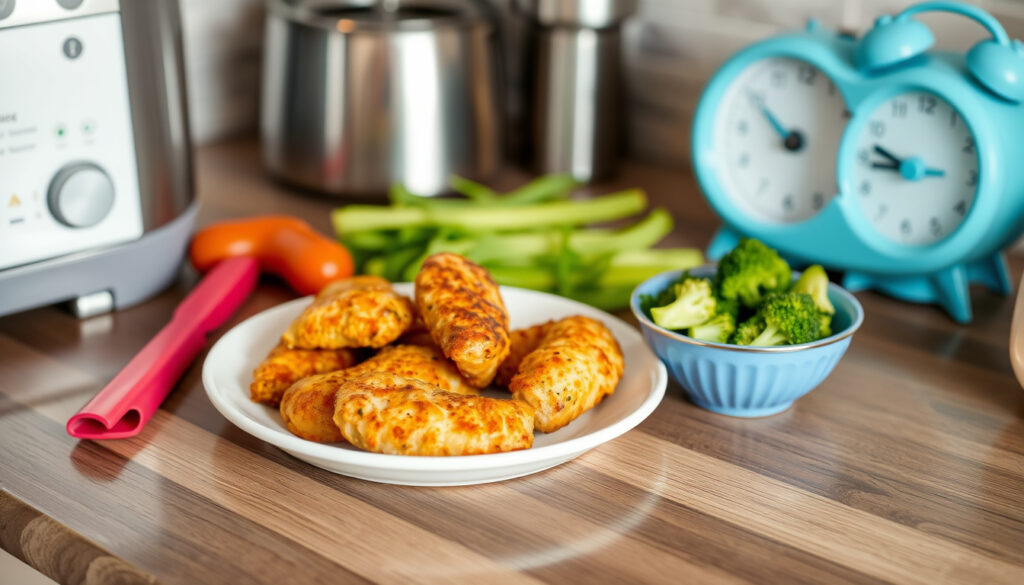
Dinner Ideas for Kids: Quick, Healthy & Picky-Eater Approved
Anyone who’s faced a kitchen timer, hungry kids, and a half-open pantry knows the real dinner dilemma isn’t just what to cook—it’s how to get a fast, healthy meal that actually gets eaten. Research from Nurture Life (children’s meal service with registered dietitians) shows that repeated exposure to new foods, often 10 to 15 tries, can help children accept them, and this guide pairs evidence-based feeding strategies with quick, kid-friendly dinner ideas to turn weeknight stress into something the whole family looks forward to.
Recommended daily calories (ages 4–8): 1,200–1,800 kcal ·
Daily vegetable servings: 2–3 cups ·
Daily fruit servings: 1.5–2 cups ·
Exposures needed to accept new food: 10–15 times
Quick snapshot
- Children need repeated exposure to new foods for acceptance (Nurture Life)
- Family meals improve dietary quality in children (Harvard T.H. Chan School of Public Health)
- Meals with variety increase nutrient intake (USDA MyPlate)
- Exact number of exposures varies by child and food type (Mayo Clinic)
- Effectiveness of “sneaking” vegetables vs. overt exposure is debated (NAPA Center)
- Optimal dinner time for children’s sleep patterns is not universally agreed (CDC)
- Average exposure timeline for new foods: 10–15 attempts (Nurture Life)
- Dinner prep goal: 15–30 minutes for busy weeknights (Nurture Life)
- Introduce one new ingredient at a time to reduce overwhelm (Nurture Life)
- Try build-your-own taco bar with healthy toppings (EatingWell)
- Experiment with one-pan chicken and vegetables (Scary Mommy)
- Explore smoothie bowls with topping bars (NAPA Center)
Four key nutritional numbers for children aged 4 to 8, one pattern: most families hit the protein target but fall short on vegetables and fiber.
| Nutrition metric | Recommended daily amount (ages 4–8) | Source |
|---|---|---|
| Calories | 1,200–1,800 kcal | USDA MyPlate |
| Vegetables | 2–3 cups | USDA MyPlate |
| Fruits | 1.5–2 cups | USDA MyPlate |
| Protein | 19 grams | CDC |
| Fiber | 25 grams | USDA MyPlate |
| Calcium | 1,000 mg | NIH |
| Iron | 10 mg | CDC |
| Added sugars limit | <25 grams | American Heart Association |
What can I cook my kids for dinner?
Quick pasta recipes
- One-pot pasta with hidden vegetables: blend zucchini or carrots into the sauce. According to Aspen Valley Health (regional hospital nutrition program), rainbow pasta that mixes colors can entice kids to try new veggies.
- Butternut squash mac and cheese — a NAPA Center (pediatric nutrition center) favorite that adds vitamin A to a classic comfort dish.
- Lentil bolognese: budget-friendly, high in fiber, and easy to hide in a familiar red sauce (Nurture Life).
One-pan chicken and vegetables
- Sheet-pan chicken thighs with sweet potato wedges and broccoli: minimal dishes, and the sweetness of the potato appeals to kids (EatingWell (healthy cooking site)).
- One-pot chicken and rice with peas: a Scary Mommy (parenting platform) pick that uses familiar ingredients.
- Lemon chicken skewers: mild flavor, easy for little hands to hold (Honest and Truly (family recipe blog)).
Build-your-own taco bar
- Offer seasoned ground turkey, black beans, shredded cheese, lettuce, and mild salsa. Customizable formats reduce resistance, as Nurture Life explains.
- Use hard or soft shells; for toddlers, serve deconstructed in a bowl (Nurture Life).
- Include a toppings bar with familiar favorites to encourage self-assembly (NAPA Center).
Parents who spend 10 minutes prepping vegetables on Sunday can cut nightly dinner prep in half. Prep work also lets you introduce new ingredients one at a time, which Nurture Life says lowers the odds of a dinner rejection.
The implication: prep work not only saves time but also reduces the chance of rejection.
What do my kids want for dinner tonight?
Kid survey favorites
- Most children prefer mild flavors and familiar textures — think pizza, quesadillas, chicken tenders, and pasta, as compiled by EatingWell.
- Mac and cheese is a perennial top request. Woman’s Day (family lifestyle magazine) notes that many healthy versions simply swap in whole-wheat pasta and add pureed cauliflower.
- Rice bowls with mild teriyaki or cheese sauce also rank high in kid polls (Scary Mommy).
Letting kids choose components
- Giving a choice between two options increases cooperation, according to Mayo Clinic (pediatric experts).
- Let kids pick the protein or vegetable from two pre-approved choices. Small portions make new foods feel less overwhelming (Nurture Life).
- Customizable meals (toppings bars, taco bars, baked potato bars) give children control without extra work for you (Nurture Life).
Reading the dinner mood
- Temperature and shape affect appeal: warm foods with fun shapes (star-shaped sandwiches, waffle pizza dippers) get higher acceptance (Scary Mommy).
- If a child is tired, stick to a “safe” meal they already know. NAPA Center recommends keeping a shelf of go-to favorites.
- Offer the same new food repeatedly without pressure — the “rotation rule” from Nurture Life suggests swapping a new vegetable for a favorite every other day.
Kids want familiar flavors and autonomy. When parents honor those preferences while gently introducing variety, they build long-term acceptance without nightly negotiations.
The pattern: honoring preferences while gently introducing variety builds long-term acceptance.
What’s the best dinner for kids?
Nutritional benchmarks
- Well-rounded dinners include lean protein, whole grains, and colorful vegetables. USDA MyPlate recommends filling half the plate with fruits and vegetables.
- Baked salmon with sweet potato wedges and green beans meets those benchmarks in under 25 minutes (Aspen Valley Health).
- Turkey and quinoa stuffed peppers combine protein, whole grains, and vegetables in one hand-held package (Instacart (grocery delivery insights)).
Cost and ease of preparation
- Bean and cheese quesadillas cost under $1 per serving and take 5 minutes to assemble (Feeding America (food bank network)).
- Leftover roast vegetable frittata uses odds and ends from the fridge — Woman’s Day calls it the ultimate stretch meal.
- Lentil soup with whole-wheat bread is inexpensive, freezable, and packed with fiber (Nutrition.gov).
Family approval ratings
- Meals that can be customized (baked potato bar, taco bar) score highest because each person builds their own (EatingWell).
- One-pot spaghetti with meat sauce and hidden veggies is a top-rated dinner across multiple kids and parents in Scary Mommy’s reader survey.
- Homemade chicken nuggets (baked, not fried) rate consistently higher than store-bought versions in taste tests cited by Skinnytaste (healthy recipe site).
The “best” dinner depends on your priority: health, speed, or budget. A baked potato bar covers all three, but requires having toppings on hand. Parents who plan ahead can hit all three markers most nights.
The catch: the “best” dinner depends on priority, but planning ahead helps achieve all three markers.
What is a good lazy dinner?
15-minute skillet meals
- One-pan quinoa with black beans, corn, and mild salsa — ready in 15 minutes and colorful enough for kids (Honest and Truly).
- BBQ chicken skillet: toss pre-cooked chicken with BBQ sauce and serve with frozen steam-in-bag veggies (Honest and Truly).
- Egg fried rice with frozen peas and carrots — uses leftover rice and cooks in 10 minutes (A Pinch of Healthy (recipe blog)).
No-cook options
- Hummus and veggie wraps: spread hummus on a tortilla, add shredded carrots, cucumber, and spinach — roll and slice (KidsHealth.org (children’s health resource)).
- Greek yogurt chicken salad: mix canned chicken with Greek yogurt, grapes, and celery — serve on crackers or in lettuce cups (Aspen Valley Health).
- Deconstructed snack plate: cheese cubes, whole-grain crackers, apple slices, and a hard-boiled egg — no cooking required (NAPA Center).
Slow cooker dump dinners
- Slow cooker chicken tacos: dump chicken breasts, salsa, and taco seasoning in the morning; shred for dinner. According to Instacart, this is one of the most-requested kid dinners.
- Lazy lentil chili: brown lentils, canned tomatoes, corn, and chili powder cooked on low all day — budget-friendly and high in fiber (Nutrition.gov).
- Butternut squash soup (can be prepped in the slow cooker): blend at serving time and top with cheese or croutons (NAPA Center).
The pattern: lazy dinners rely on pre-made components and minimal cleanup, making them ideal for busy weeknights.
What to give picky kids for dinner?
Deconstructed meals
- Serve components separately: deconstructed chicken nuggets (baked chicken strips with dipping sauces) let kids control what goes where (Skinnytaste).
- DIY pizza on English muffins: each child tops their own — familiar, fun, and customizable (Aspen Valley Health).
- Smoothie bowls with a toppings bar: let kids choose granola, fruit, and seeds. NAPA Center says finger-friendly toppings increase engagement.
Sneaky vegetable techniques
- Puree carrots, cauliflower, or butternut squash into marinara sauce. Veggie-packed meatballs from Aspen Valley Health use lentils, quinoa, and carrot mixed with breadcrumbs and Parmesan.
- Add spinach to smoothies; the mild berry flavor masks it effectively (Mayo Clinic).
- Grate zucchini into meatloaf or turkey burgers — the moisture keeps them tender (Nurture Life).
Building a safe food shelf
- Keep a rotation of 5–7 “safe” foods (e.g., pasta, cheese, applesauce, yogurt, bread) that the child reliably eats. According to NAPA Center, having a safety net reduces anxiety at meals.
- Introduce one new food alongside a safe food at each meal. Mayo Clinic suggests offering the new food without comment.
- Texture and temperature are often bigger issues than taste — try roasting vegetables instead of steaming them to change the texture (EatingWell).
Sneaking vegetables can work short-term, but NAPA Center notes that overt exposure — placing veggies on the plate without pressure — builds lasting acceptance. A balanced approach: sneak some, show some.
The implication: overt exposure builds lasting acceptance, so combine sneaking with visible vegetables.
How to plan kid-friendly dinners step by step
- Assess your child’s current preferences and identify 5–7 safe foods they reliably eat.
- Plan a weekly rotation that includes one new ingredient alongside a familiar favorite, following the rotation rule from Nurture Life.
- Prep ingredients in advance (e.g., wash and chop vegetables on Sunday) to cut nightly prep time in half.
- Use customizable formats like taco bars, baked potato bars, or DIY pizza to give children choice and reduce resistance.
- Stay consistent with repeated exposure: offer the same new food 10–15 times without pressure, as recommended by Mayo Clinic.
Confirmed facts
- Repeated exposure (10–15 times) increases acceptance (Nurture Life)
- Family meals improve diet quality (Harvard Chan School)
- Variety at meals boosts nutrient intake (USDA MyPlate)
- Small portions reduce overwhelm (Nurture Life)
What’s unclear
- Exact number of exposures varies by child (Mayo Clinic)
- Effectiveness of sneaking vs. overt exposure debated (NAPA Center)
- Optimal dinner time for sleep not universal (CDC)
- Best approach for extremely selective eaters (NIH)
- Customizable formats increase cooperation (Nurture Life)
Expert perspectives
“Offering a variety of fruits and vegetables without pressure is one of the most effective strategies for expanding a child’s palate.”
— American Academy of Pediatrics (national pediatric authority)
“Family meals are associated with better diet quality and lower risk of obesity in children, regardless of what’s on the plate.”
— Harvard T.H. Chan School of Public Health (leading nutrition research center)
mommyonpurpose.com, cubbyathome.com, kidgredients.com.au, womansday.com, napacenter.org
Frequently asked questions
How can I get my child to try new foods?
Offer a small portion alongside a familiar favorite, and don’t pressure them to eat it. Repeated exposure — 10 to 15 times — is key, according to Mayo Clinic.
What is a quick dinner for kids under 30 minutes?
One-pan chicken and rice, bean and cheese quesadillas, or 15-minute skillet quinoa with black beans and salsa. See our 15-minute meals section above.
Can I freeze kids’ meals?
Yes. Lentil bolognese, slow cooker chicken tacos, and veggie-packed meatballs all freeze well. Portion into single-serving containers for easy reheating (Nutrition.gov).
How to make dinner fun for kids?
Use theme nights (Taco Tuesday, Breakfast for Dinner), let kids assemble their own plates (taco bar, pizza bar), or cut foods into fun shapes with cookie cutters (KidsHealth.org).
What are no-cook dinner ideas for kids?
Hummus and veggie wraps, Greek yogurt chicken salad, deconstructed snack plates, and smoothie bowls all require zero stove time (Instacart).
How much protein does a child need at dinner?
Children ages 4–8 need about 19 grams of protein per day, so a dinner with 5–10 grams (e.g., one chicken thigh, half a cup of lentils) is reasonable (CDC).
What are good dinner ideas for a toddler?
Focus on soft, finger-friendly foods: mini meatballs, steamed vegetable sticks, small pasta shapes, and yogurt. Avoid hard chunks and strong spices (USDA MyPlate).
For families navigating picky eating, the choice is clear: pair evidence-based strategies like repeated exposure and customizable formats with quick, familiar recipes. Parents who commit to a rotation rule — introducing one new vegetable every other day — can expand their child’s palate without turning dinner into a battleground. The payoff: less mealtime stress and a more varied, nutrient-rich diet for everyone at the table.
More related posts
 De Longhi Coffee Machine – Best Models and Buyer Guide
 Weed and Feed Instructions: Apply, Water & Timing Tips
 New Zealand Tax Rates 2025: Brackets & Salary Guide
 Cracroft Fish and Chips: Fresh Fried in Christchurch
 Best Fish and Chips Auckland: Top Spots CBD, North Shore
 Ball and Socket Joint: Anatomy, Examples & Function
 Auckland to Doha Flight Time Duration and Tips
 PCC India from NZ: Documents, Fee, and Application Steps
